Built for U.S. Trucking Companies, Fleet Operators and DOT-Regulated Vehicles
Stop Tire Failures Before They Become
Violations, Breakdowns, or Lawsuits

Tire-related issues are one of the most common causes of DOT violations under 49 CFR 393.75.
Punctures, pressure loss, and slow leaks don’t just stop trucks, they trigger inspections, CSA points, and costly downtime.
Tire Guard installs a permanent puncture-sealing layer inside the tire, eliminating the exact conditions that lead to these risks.
Reduce DOT Violations from Tire Conditions
Keep Trucks Moving Without Roadside Stops
Built for Real Fleet Operations
Start offering prevention instead of repairs and position your business where the industry is going.


Tire Problems Are Not Random. They Are Systemic.
Every day, fleets and drivers deal with:

The Agony of Waiting
Missed meetings. Lost time. Frustrated customers. When your ride is late (or doesn’t show), everyone loses.

Surprise Charges &
Hidden Fees
Unexpected costs hurt your budget — and your trust.

No-Shows When You
Need Them Most
High-demand hours or last-minute changes shouldn’t mean you’re stranded. But for most, that’s the reality.
Sudden flats
A single puncture can shut down a truck instantly, leading to missed deliveries, roadside inspections, and lost revenue. What seems like a small issue often turns into a full operational disruption.
Slow leaks they
didn’t notice
Not all tire failures are immediate. Slow air leaks go unnoticed until pressure drops below safe levels, increasing the risk of violations, uneven wear, and unexpected failure during operation.

Underinflated tires during inspections
Under 49 CFR 393.75, improper tire condition can quickly lead to DOT violations and out-of-service orders. Many fleets don’t realize the issue until it’s identified during inspection.
Unexpected roadside breakdowns
Breakdowns rarely happen at convenient times. They interrupt schedules, increase costs, and expose operations to delays, penalties, and customer dissatisfaction, all from preventable causes.
But here’s the reality:
These are not just inconveniences. They are violations.
According to DOT inspection data:
1,044,301 tire violations issued (2022–2026)
One of the top mechanical failure categories nationwide
Flat tires & air leaks ranked #7 most common violation
What Happens When This Occurs?
Vehicle goes Out-of-Service immediately
Delivery delays
Lost revenue
Increased insurance risk
Lower safety scores (FMCSA SMS)
Inspections Are Not the Solution
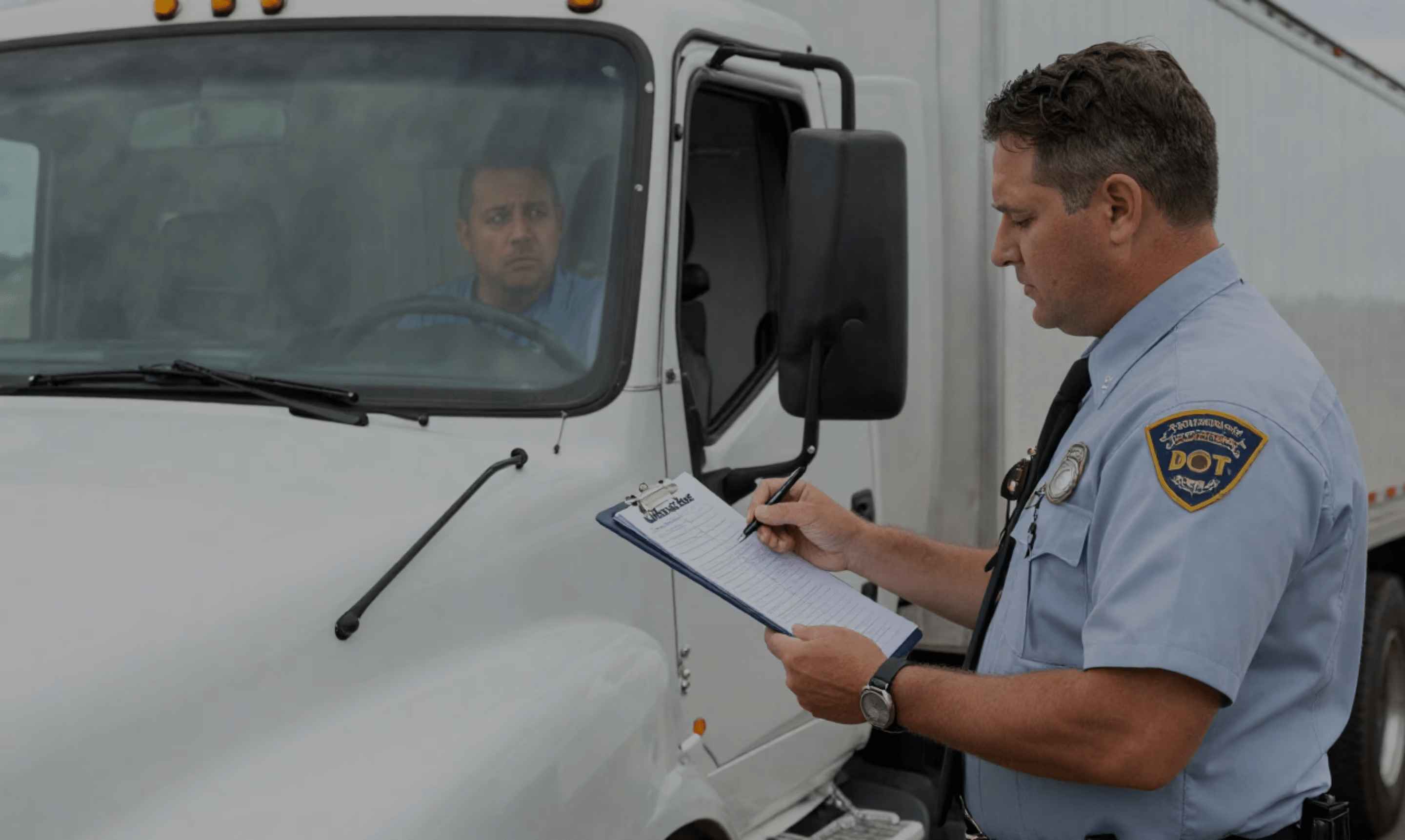
Regulations say drivers must inspect tires.
Reality says something else.
Drivers only report what they notice
Slow leaks are often invisible
Pressure loss happens during driving
Problems are found only during DOT inspections
This Is Not a Repair. It’s DOT Risk Prevention.
Tire Guard installs a puncture-sealing layer inside the tire, eliminating the exact conditions that lead to:
Flat tires
Pressure loss
Underinflation violations
Roadside inspections
No Flat. No Stop. No Violation.
Flat tires are one of the most common triggers for DOT inspections and out-of-service situations. With Tire Guard, punctures are sealed instantly, air pressure stays stable, and the vehicle keeps moving, eliminating the exact moment that leads to roadside stops and compliance issues.
Built for DOT Compliance
Under 49 CFR 393.75, tire condition is one of the fastest ways to receive violations and CSA points.
Tire Guard helps prevent pressure loss, air leaks, and underinflation, the exact issues DOT inspectors flag most often.
Predictable Operations,
Less Downtime
Every flat tire is more than a repair. It’s lost time, delayed deliveries, and operational disruption. By preventing puncture-related failures, Tire Guard removes one of the most unpredictable risks in fleet operations.
From Reactive to Preventive
Most fleets and tire shops operate in reaction mode, waiting for failures to happen.
Tire Guard shifts that model completely by eliminating the root cause, allowing you to operate with control instead of constant interruption.
On-Time Every Time
We don’t just promise punctuality — we deliver it.
Our drivers use real-time GPS tracking and advanced route planning to ensure you arrive on time, every time, without the stress of delays or no-shows..
Transparent Pricing
Say goodbye to confusing fare breakdowns. With us, you get clear, upfront pricing — no surge fees, no surprise add-ons, and absolutely no last-minute charges. Just honest rates that respect your budget.
Easy to Scale With You
Whether you need one-time airport transfers or daily corporate logistics for your entire team, our flexible plans and dedicated support make it easy to grow with us — without switching platforms or providers.
Customer-First Philosophy
Every ride is designed around you. From our easy booking system to our responsive support team, we obsess over every detail to make sure your journey is smooth, comfortable, and hassle-free
Trusted in the Industry
We’re not just another ride service.
With hundreds of 5-star reviews and long-term business clients, we’ve built a reputation for excellence, reliability, and unmatched customer care in transportation.
This is not just a tire upgrade.
It’s a Risk Elimination System.
Flat tires are not random. They are one of the most predictable and costly risks in fleet operations.
Tire Guard removes that risk at the source by installing a permanent puncture-sealing layer inside the tire, preventing pressure loss before it leads to breakdowns, delays, or DOT violations.
This system is not based on temporary fixes or reactive repairs. It is built around controlled application, consistent performance, and real-world operating conditions.
For fleets, this means fewer roadside stops, fewer compliance issues, and more predictable operations.
For tire shops, it means offering a service that solves the problem instead of repeating it.
Benefits of Choosing Halston Tire Guard
"We've worked with sealants before, but nothing compares to a controlled system. The combination of Tire Guard Machines and material allows us to deliver premium service consistently and customers see the difference immediately."
Tire Shop Owner
HERE’S WHAT YOU’ll GET
Fewer DOT Violations (Maintains tire pressure → prevents inspection failures)
Reduced Downtime (No roadside stops → no delays → no lost revenue)
Longer Tire Life (Less heat buildup, less uneven wear, less structural stress)
Better Safety (Improved braking, better stability, lower crash risk)
Lower Insurance Risk (Fewer incidents, reduced claims, stronger safety profile)
Built for Every Vehicle That Can't Afford to Stop
From daily drivers to heavy fleets, Halston Tire Guard upgrades any tire with internal puncture protection,
eliminating the risk of flats, pressure loss, and DOT violetions.
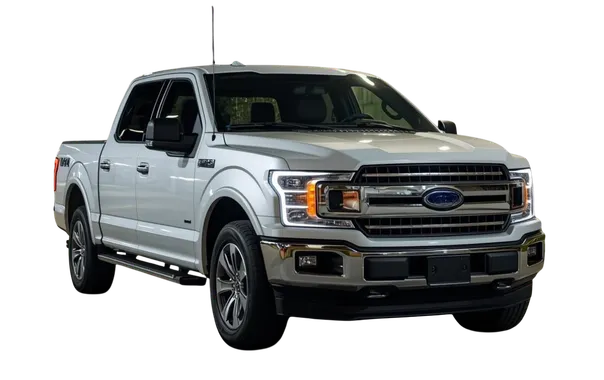
Light Commercial Vehicles
Protects against nails, screws, and road debris
Prevents sudden pressure loss during daily driving
Eliminates roadside stops in urban and highway use
Ideal for service vehicles, contractors, and deliveries
Keeps operations moving without interruption
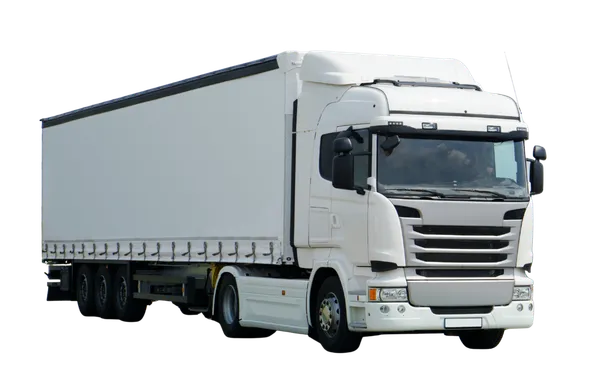
Heavy Trucks & Fleet Vehicles
Prevents downtime caused by punctures on long routes
Reduces risk of DOT violations under 49 CFR 393.75
Maintains tire pressure under load and high temperature
Eliminates costly roadside assistance and delays
Designed for high-mileage, high-demand operations
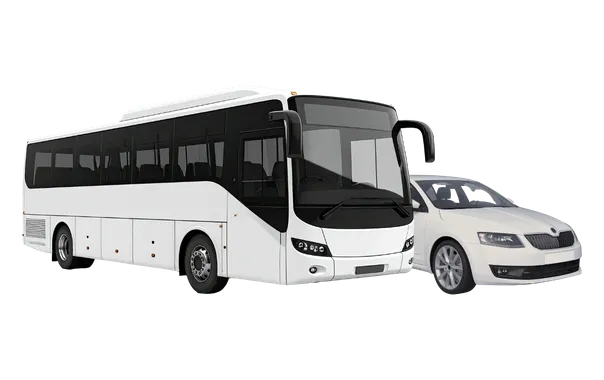
Buses & Passenger / Retail Vehicles
Prevents unexpected stops during passenger transport
Improves safety and reliability on fixed schedules
Eliminates service interruptions caused by flats
Reduces operational risk for transport businesses
Keeps vehicles running on time, every time
Where Tire Protection Meets Operational Control
Built on real-world performance and engineered for reliability, Tire Guard transforms how vehicles operate on the road. Instead of reacting to flat tires, pressure loss, and unexpected stops, we provide a system that prevents these issues before they happen.
By installing a permanent puncture-sealing layer inside the tire, Tire Guard ensures vehicles stay in motion, reducing downtime, improving safety, and eliminating one of the most common causes of disruption in both daily driving and fleet operations.
This isn’t about fixing problems faster.
It’s about removing them entirely.
100%
Puncture Sealing at the Moment of Impact
(No pressure loss, no interruption)
0
Roadside Stops Caused by Standard Punctures
(When applied correctly)
Up to 30%
Extended Tire Life in Real Conditions
(Reduced wear from stable pressure)
Why Insurance Companies Care About This

Tire failures don’t just cause downtime. They create legal and financial exposure.
Preventing tire-related defects leads to:
Fewer accidents
Fewer claims
Reduced litigation risk
Better underwriting profiles
This is not marketing theory
Backed by Real Inspection Data
This is based on:
- FMCSA roadside inspection data
- Federal safety regulations (49 CFR 393.75)
- Real violation patterns across the US
Tire Guard directly addresses the most common failure categories.

What our clients say about us
Discover the experiences of our satisfied customers! Read their testimonials to learn how our services have made a positive impact on their businesses.

"Managing multiple appointments used to be a nightmare. This platform has made everything so much easier and faster! I love the real-time tracking feature."
Emma W.
Project Manager
"As a busy executive, time is everything. This service saves me hours every week by letting me book, track, and manage rides in one place. I wouldn’t go back."
Mark T.
CEO
"I’m a logistics coordinator, and this service has completely transformed how we manage our transportation needs. It’s reliable, fast, and easy to use."
Sarah D.
Logistics Coordinator
"Being on the road a lot, I need something I can count on. This service has been a game-changer for me, offering both convenience and reliability."
David S.
Sales Representative
"I travel frequently for work, and I love how I can schedule my rides ahead of time. No more last-minute worries or confusion."
Olivia G.
Marketing Director
"I run a small business and depend on quick, efficient transportation. This platform lets me easily manage appointments, saving both time and money."
Alex B.
Small Business Owner
"The ability to book on-the-go and receive updates in real time has been invaluable for me. I highly recommend this service to anyone who needs reliable transport."
Lisa R.
Event Planner
"I used to dread scheduling transportation. But since switching to this service, it’s been smooth sailing. I can book my rides in seconds, and the convenience is unmatched."
Rachel P.
Investor
"As a business traveler, I need a reliable transportation system. This service has never let me down, and I know I can trust them with my appointments every time."
Tom F.
Web developer
Your Safety is On Us
Save your time, simplify your workflow, and deliver results faster.
Frequently Asked Questions
How is Tire Guard different from regular tire sealants?
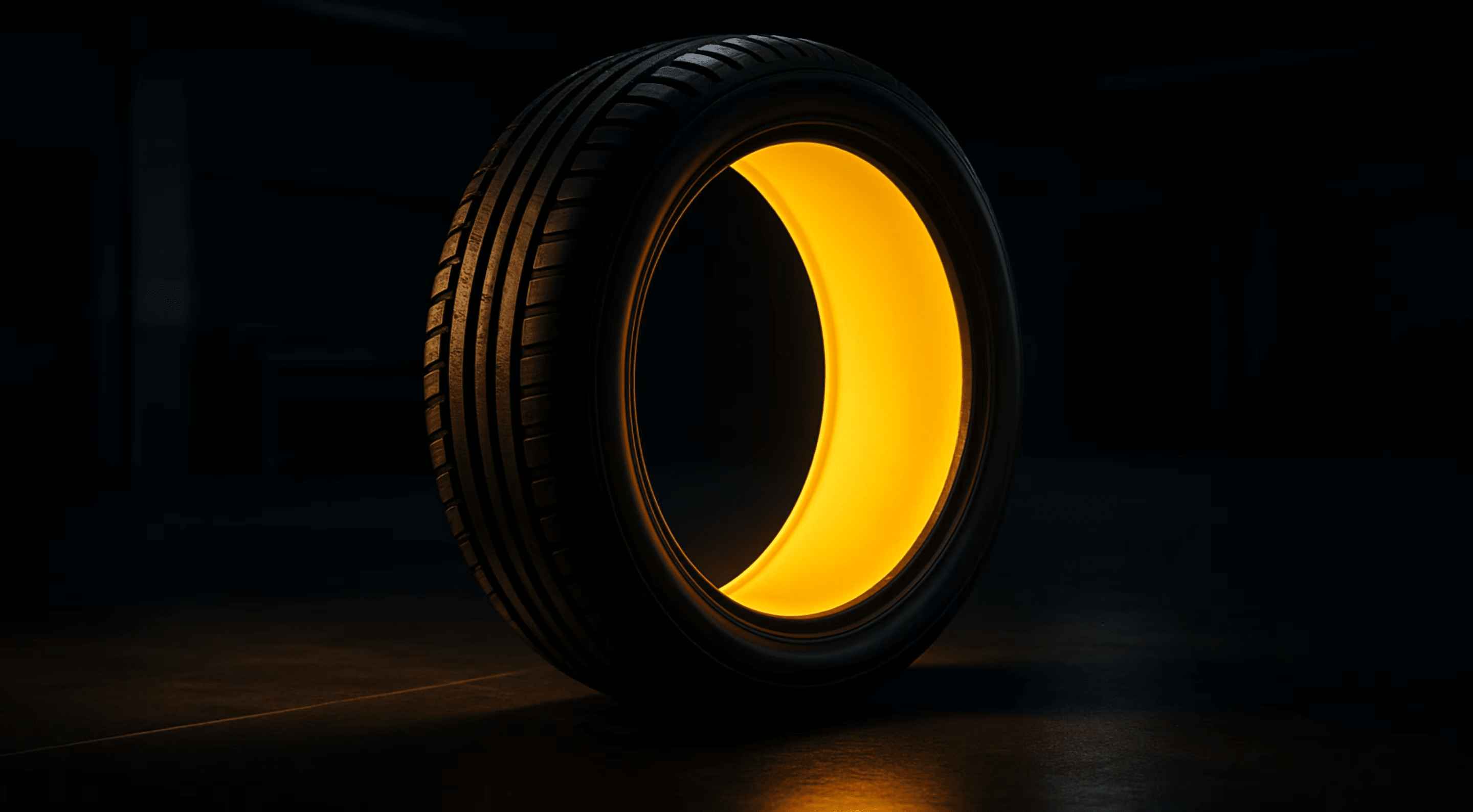
Tire Guard is not a liquid sealant that moves inside the tire. It is a permanent internal layer applied using professional equipment. It stays fixed in place, does not create imbalance, and works instantly when a puncture occurs. Unlike retail sealants, it is designed for long-term performance in real operating conditions.
Does Tire Guard affect tire balancing or performance?
No. The material is applied evenly while the tire rotates, creating a uniform internal layer. This ensures the tire remains properly balanced and performs normally, even at high speeds and under heavy loads.
What happens when a nail or screw punctures the tire?
The puncture is sealed instantly at the point of impact. Air pressure remains stable, and the vehicle continues operating without interruption.
No flat. No stop. No delay.
Is this compliant with DOT regulations?
Tire Guard is designed to prevent the exact conditions DOT inspectors flag most often, such as pressure loss, air leaks, and underinflation. By maintaining stable tire pressure, it helps reduce the risk of violations under 49 CFR 393.75.
Do I need special equipment to apply Tire Guard?
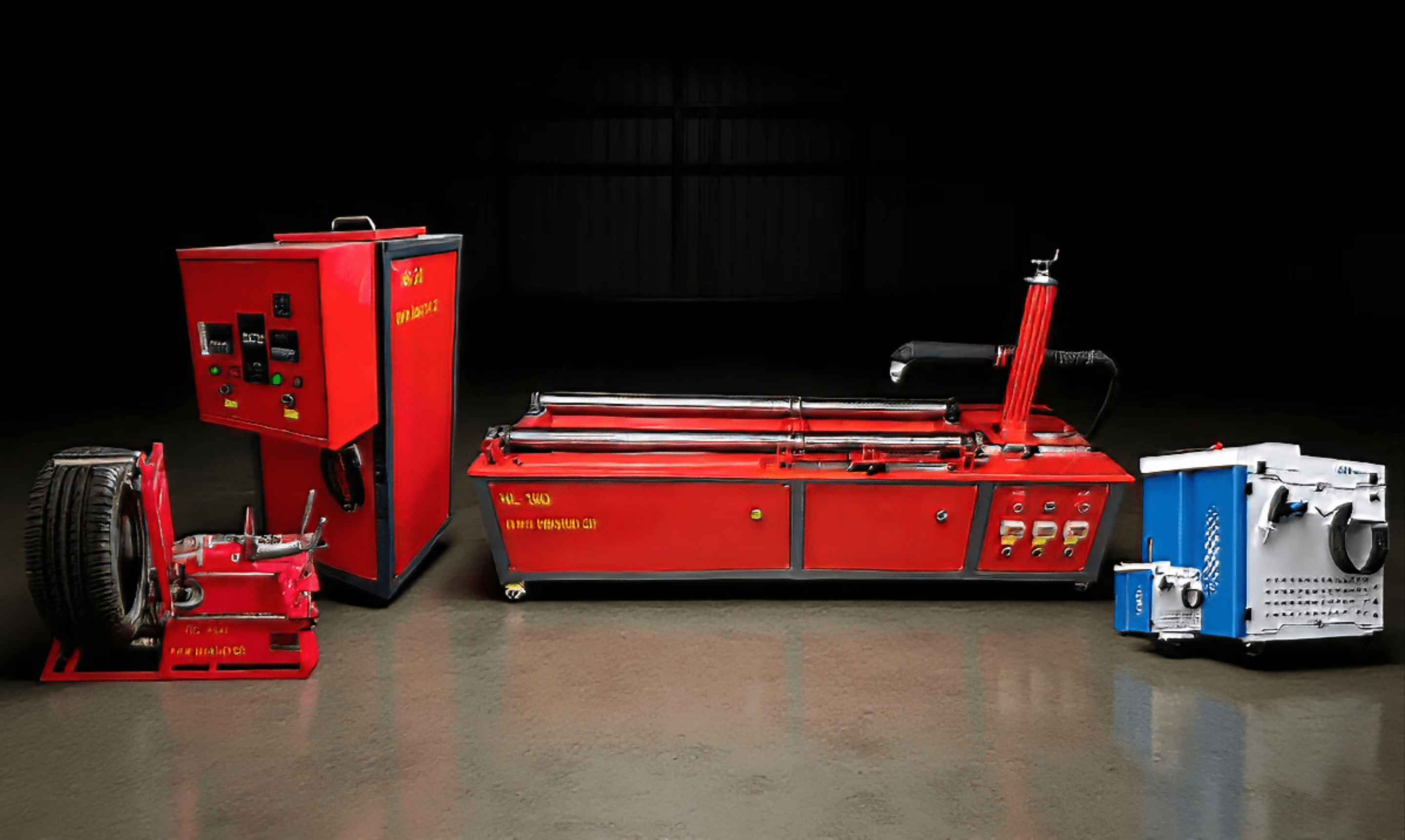
Yes. This is a professional system, not a DIY product. It requires dedicated machines for cleaning, preparing, and applying the material correctly. This ensures consistent quality and reliable performance across every tire.
Who is this solution for?
Tire Guard is designed for:
• Tire shops looking to offer a premium preventive service
• Fleet operators who want to eliminate downtime and reduce risk
• Businesses that depend on vehicles staying in motion
Ready to Eliminate Flat Tire Risk
From Your Operation?
Save your time, simplify your workflow, and deliver results faster.